Gerrymandering: When Politicians Pick Their Voters
Fewer than 1 in 10 House races were truly competitive in 2024. How gerrymandering works, who does it, and what citizens can do.

Elections are supposed to work one way. Voters choose their representatives. Gerrymandering flips it around. Politicians draw the district lines, pick the neighborhoods they want, and choose their voters before a single ballot is cast.
Both parties do it wherever they get the chance. That's the one thing about gerrymandering that isn't up for debate.
A Very Old Trick
The word comes from Elbridge Gerry, a signer of the Declaration of Independence. As governor of Massachusetts in 1812, he signed a map with a state senate district so twisted that a newspaper said it looked like a salamander. A "Gerry-mander." The name stuck, and so did the practice.
What's changed is the precision. Two centuries ago, mapmakers worked with rough guesses. Today they work with detailed voter files and software that can test thousands of maps in an afternoon. They can draw lines that hold up across election after election.
The Result: Elections Decided in Advance
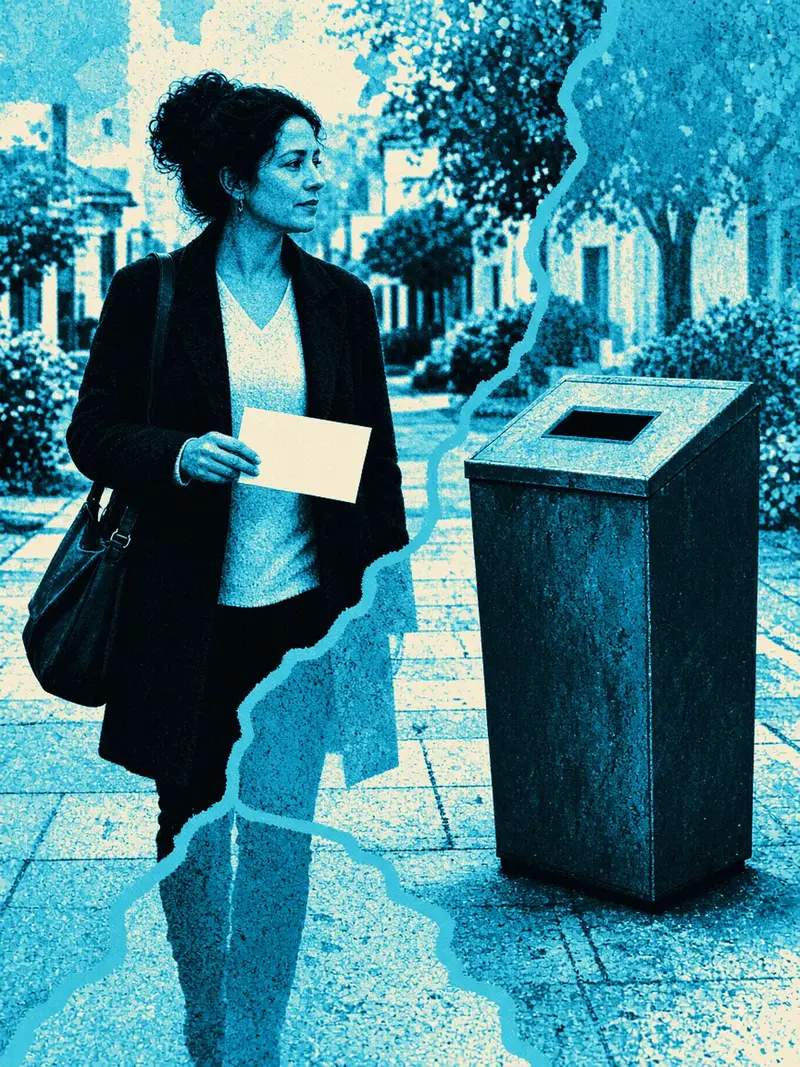
Look at how many U.S. House races are actually competitive. Going into November 2024, the Cook Political Report rated just 69 of 435 House seats as even somewhat competitive, according to an analysis by the Center for the Study of the Presidency and Congress. In 2008 it was 104. After the votes were counted, Cook concluded that a little less than 10 percent of House races had been truly competitive.
The Brennan Center found that in 2020, Joe Biden or Donald Trump carried 316 congressional districts by 15 points or more, 73 percent of all House seats. In those districts, the general election in November is mostly a formality. The real contest is the primary, where a small, highly partisan slice of voters picks the winner.
Gerrymandering isn't the only reason for that. People increasingly live near others who vote like them, and political scientists argue about how much of the decline mapmaking explains. But the Brennan Center's numbers make the direction clear: maps drawn by one party produce fewer competitive seats than maps drawn by anyone else.
Why It Makes Congress Worse
When your seat is safe in November, the only election that can cost you your job is the primary. So the people you have to please aren't the moderate majority of your district. They're the most motivated activists of your own party, and the donors who fund primary challenges.
That's a big part of why Congress feels like two teams shouting past each other. Members aren't rewarded for working across the aisle. They're punished for it. We wrote about how that trap works for voters in Neither Party Will Save You. Gerrymandering is one of the gears that keeps it turning.
The Courts Stepped Back
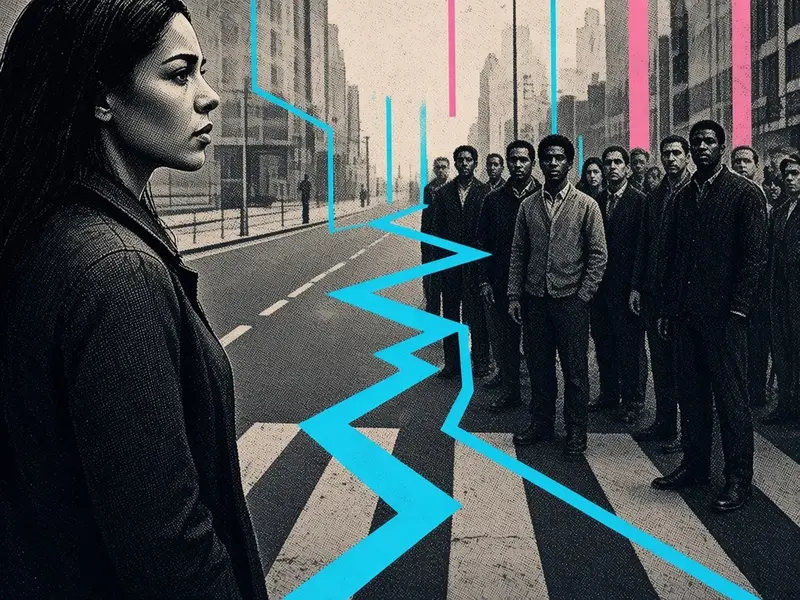
In 2019, the Supreme Court decided Rucho v. Common Cause, a case about partisan maps in North Carolina (drawn by Republicans) and Maryland (drawn by Democrats). The Court ruled 5 to 4 that partisan gerrymandering claims are political questions federal courts can't decide. Chief Justice Roberts wrote that the Court does not "condone excessive partisan gerrymandering," but that the fix would have to come from somewhere else: states, Congress, and voters.
So the people have to do it themselves.
What Works
Some states took line-drawing out of legislators' hands. Arizona, California, Colorado, and Michigan use independent commissions for congressional maps, where citizens rather than sitting politicians draw the lines. The Brennan Center found that those commissions drew only 19 percent of congressional districts but 41 percent of the districts rated as toss-ups in 2024. Maps drawn by a single party drew 60 percent of districts but only about a third of toss-ups.
The pattern is hard to miss. When politicians draw their own maps, they protect themselves. When citizens draw them, voters get real choices.
Other fixes worth pushing for:
- Clear standards in state constitutions, such as keeping counties and towns together and banning maps drawn to favor a party.
- Public map-drawing, with open hearings and data so any citizen can draw and submit a map.
- Open or nonpartisan primaries, so a safe seat doesn't automatically mean a race decided by a sliver of the electorate. We look at one version of that in our post on ranked-choice voting.
What You Can Do
Find out who draws the maps in your state. It's usually the legislature. Then find out whether your state allows citizen ballot initiatives. In several states, voters themselves created independent commissions when legislators wouldn't. If redistricting hearings come to your town, go. Bring a map of your community, the way you actually live in it, and ask them to keep it whole.
Wear It
The founding idea of this country is that government gets its power from the consent of the governed. Not the other way around. That's the line on our most direct hat: You are not our government, WE ARE. It's a fitting thing to wear to a redistricting hearing.
On WeWrite we keep a short page for the slogan, You are not our government, WE ARE, and one on the Spirit of 1776. For the longer argument, read You Are Not Our Government; We Are.
Shop the Hat
Consent of the governed, on a cap. You are not our government, WE ARE snapbackMade on demand. Checkout on Printful.
Sources
- Center for the Study of the Presidency and Congress, "The CSPC Dispatch, Nov. 15, 2024" (Cook Political Report competitive-seat counts): https://www.thepresidency.org/the-dispatch/nov-15-2024
- Cook Political Report, "Twelve Things We Learned From the 2024 House Elections": https://www.cookpolitical.com/analysis/house/house-overview/twelve-things-we-learned-2024-house-elections
- Brennan Center for Justice, "The Competitive Districts that Will Decide Control of the House": https://www.brennancenter.org/our-work/analysis-opinion/competitive-districts-will-decide-control-house
- Rucho v. Common Cause, 588 U.S. 684 (2019), Oyez: https://www.oyez.org/cases/2018/18-422
- Erick Trickey, "Where Did the Term 'Gerrymander' Come From?" Smithsonian Magazine: https://www.smithsonianmag.com/history/where-did-term-gerrymander-come-180964118/
Shop the hat

Keep reading
November 7, 2026
Why Americans Stopped Trusting Washington
Only 17% of Americans trust the federal government most of the time. Why trust collapsed under both parties, and what would earn it back.
November 7, 2026
The Right to Petition: Lobbying Was Supposed to Be Yours
The First Amendment protects your right to petition the government. How it got professionalized, and how ordinary citizens can use it well.
November 7, 2026
The Elections Nobody Shows Up For
In some big cities, fewer than 1 in 10 people vote for mayor. Why local elections matter more than you think, and a simple plan to show up.